
What Is Digital Marketing? Best Digital marketing refers to the use of online channels, platforms, and strategies to promote products, services, or brands to a target audience. Boosts “traffic, leads, and sales.” It involves reaching people through the internet and electronic devices like computers, smartphones, tablets, and even smart TVs. Ultimate-guide-to-digital-marketing-in-trichyHigh-impact Digital marketing services to help you boost traffic, increase leads, and grow your business online through SEO, ads, and content. presentation of the content. Ultimate-guide-to-digital-marketing-in-trichyUnlike traditional marketing, which relies on print, TV, or radio ads, Best digital marketing is measurable, interactive, and highly targeted—making it one of the most effective ways to connect with customers in today’s digital world. Digital Marketing High-impact Trends in 2025 High-impact Social media,we look at the battle between X, Blue Sky, and Threads, the rise in employee-generated content, and why customer content is more important than influencers. AI will continue to evolve, but it’s about using the technology effectively to avoid AI fatigue. We’ll also explore the rise of AI agents, and see how AI is changing ecommerce and your ad campaigns. When it comes to digital marketing skills, 2025 will see the growing value of soft skills, the necessity to refine AI skills and knowledge, and the importance of expanding your knowledge outside of marketing.Ultimate-guide-to-digital-marketing-in-trichy Search marketing trends will focus on the growing importance of social search, voice search optimization, and the rise of generative engine optimization (GEO)Ultimate-guide-to-digital-marketing-in-trichy Meta Description Options for Digital Marketing: General Digital Proven Marketing Agency “Boost your online presence with expert digital marketing services. SEO, PPC, social media, and more — all tailored to grow your Proven brand.”Ultimate-guide-to-digital-marketing-in-trichy “Drive results with a full-service digital marketing agency. From SEO to paid ads, we help you reach your goals faster.”Ultimate-guide-to-digital-marketing-in-trichy “Digital marketing services that help your business grow online with expert SEO, PPC, content, and social media strategies.”Ultimate-guide-to-digital-marketing-in-trichy Digital marketing strategies that actually work—learn how to attract traffic, convert leads, and scale your business in 2025. SEO-Focused “Rank higher on Google and grow organic traffic with our proven SEO strategies. Start optimizing your site today!” “Struggling to get found online? Our SEO experts can help your business dominate search results.”Ultimate-guide-to-digital-marketing-in-trichy Small Business Marketing “Affordable digital marketing solutions for small businesses. We help you compete, convert, and grow online.” “Get customized digital marketing strategies designed to fit your small business budget and goals.”Ultimate-guide-to-digital-marketing-in-trichy Digital marketing explained for beginners. Learn the basics of SEO, social media, and more to grow your brand online.Ultimate-guide-to-digital-marketing-in-trichy E-Commerce Marketing “Scale your e-commerce store with data-driven digital marketing. Increase conversions with SEO, email, and paid campaigns.” “Turn visitors into customers with our e-commerce marketing solutions. SEO, ads, and automation that drive growth.” Lead Generation Focus “Generate qualified leads and grow your sales pipeline with high-converting digital marketing strategies.” “Fuel your business growth with digital campaigns that bring in leads, not just clicks.”Ultimate-guide-to-digital-marketing-in-trichy Digital marketing experts helping brands achieve growth through data-driven SEO, PPC, and social media solutions. Ultimate-guide-to-digital-marketing-in-trichy. Tech-Savvy / Trendy Tone “Smash your marketing goals with data, creativity, and AI-powered campaigns. Digital marketing that actually works.”Ultimate-guide-to-digital-marketing-in-trichy “We blend tech and creativity to craft high-performance digital marketing that gets you noticed and remembered.”Ultimate-guide-to-digital-marketing-in-trichy What Is Digital Marketing? Key Digital Marketing Channels Digital marketing refers to the use of digital channels, platforms, and technologies to promote products or services and connect with current and potential customers.Ultimate-guide-to-digital-marketing-in-trichy Search Engine Optimization (SEO) Optimizing your website to rank higher in organic search results (Google, Bing). Includes on-page SEO, technical SEO, backlinks, and content optimization. Keyword Research: Identifying relevant keywords that potential customers use to search for products or services. On-Page SEO: Optimizing website elements such as meta tags, headings, and content to improve search engine rankings. Ultimate-guide-to-digital-marketing-in-trichy Off-Page SEO: Building high-quality backlinks and promoting the brand through external sources to boost search visibility. Ultimate-guide-to-digital-marketing-in-trichy Content Marketing Enhance brand authority.Content Distribution: Utilizing various channels to distribute content effectively and reach Content Strategy: Developing a content plan that aligns with the brand’s goals and audience preferences. Boosts “traffic, leads, and sales.” Content Creation: Producing high-quality content, including blog posts, articles, infographics, and videos that engage the audience an a wider audience. Ultimate-guide-to-digital-marketing-in-trichy Pay-Per-Click Advertising (PPC) Paid ads on platforms like Google Ads, Bing Ads, and display networks. Instant visibility and measurable ROI; often used alongside SEO for maximum reach. Social Media Marketing Promoting content and engaging audiences on platforms like Facebook, Instagram, LinkedIn, TikTok, and X (Twitter). Ultimate-guide-to-digital-marketing-in-trichy Includes both organic and paid social strategies. Social Media Strategy: Crafting a plan to effectively use platforms like Facebook, Instagram, Twitter, and LinkedIn to promote the brand and engage with followers. Ultimate-guide-to-digital-marketing-in-trichy Content Scheduling and Posting: Creating and scheduling social media posts to maintain consistent and relevant brand messaging. Ultimate-guide-to-digital-marketing-in-trichy Community Management: Engaging with followers, responding to comments, and managing interactions to build strong relationships. Ultimate-guide-to-digital-marketing-in-trichy Email Marketing Direct communication with users through email campaigns, newsletters, and automations. Excellent for lead nurturing, retention, and personalized offers. Ultimate-guide-to-digital-marketing-in-trichy Email Campaigns: Designing and executing email marketing campaigns to nurture leads, promote products, and maintain customer relationships. Ultimate-guide-to-digital-marketing-in-trichy Segmentation: Using segmentation strategies to target specific audience groups with personalized messages. Analytics: Monitoring email performance metrics such as open rates, click-through rates, and conversions to optimize campaigns. Ultimate-guide-to-digital-marketing-in-trichy “Digital marketing in 2025: Discover proven strategies to attract traffic, engage users, and grow your business online.” Ultimate-guide-to-digital-marketing-in-trichy Affiliate Marketing Partnering with affiliates who promote your products/services for a commission. Great for scaling reach with low upfront cost. Influencer Marketing Collaborating with influencers to promote your brand to their audience. Effective for brand awareness and social proof, especially in niche markets. Video Marketing Using platforms like YouTube, TikTok, or Instagram Reels for storytelling, tutorials, product demos, and ads. Highly engaging and often
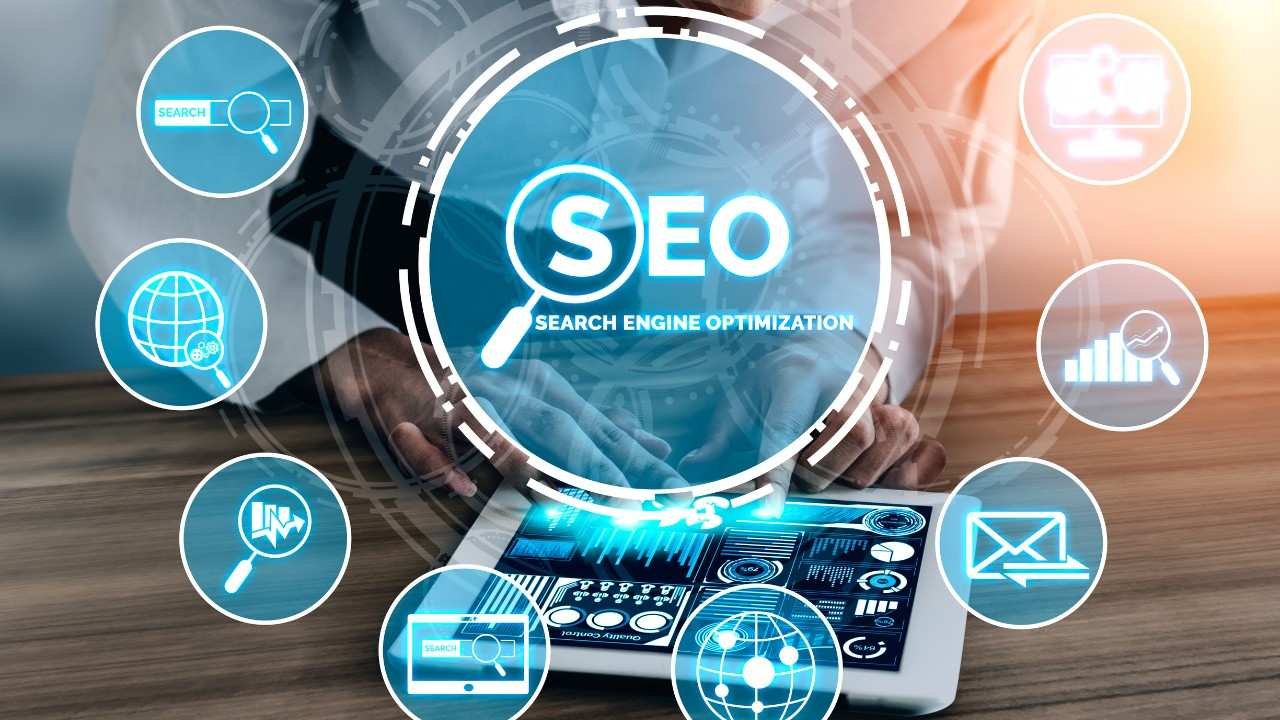
What Is SEO? The Ultimate Beginner’s Guide to Best Search Engine Optimization
What is SEO? Search Engine Optimization (SEO) is the practice of orienting our website to rank higher on a search engine results page (SERP) so that you receive more traffic. there are 4 main types of SEO strategies: On-page, Off-page, Technical, and Local SEO. It is considered a digital marketing practice and can be applied to any website.It helps improve a site’s visibility on search engines like Google and Microsoft Bing. We think this will best suite for the query what is SEO? Next… How does it work Search Engine Optimization (SEO) is the practice of improving a website’s visibility in search engine results (like Google) to attract more organic (non-paid) traffic. Here’s a breakdown of how ‘SEO’ works: Search Engines Basics Search engines (Google, Bing, etc.) use crawlers (bots) to scan the web and index pages. When someone searches for something, the search engine returns the most relevant and authoritative pages based on its algorithm. Key Components of SEO On-Page SEO Optimizing individual pages to help them rank better: Keywords: Use relevant terms people search for. Title Tags & Meta Descriptions: Tell search engines and users what your page is about. Headings (H1, H2, etc.): Organize content and make it scannable. Content Quality: In-depth, original, and helpful content is crucial. Image Optimization: Use alt text and compress images. Off-Page SEO Boosting your site’s authority through external methods: Backlinks: Links from other websites signal trust and authority. Social Signals: Shares and mentions on social media can indirectly influence rankings. Brand Mentions: Even without links, your brand being talked about helps. Technical SEO Improving how search engines crawl and index your site: Site Speed: Fast-loading pages are favored. Mobile-Friendliness: Must work well on mobile devices. URL Structure: Clean, descriptive URLs. Sitemaps & Robots.txt: Help search engines understand your site. HTTPS: Secure sites get a ranking boost. Local SEO (for businesses with a physical location) Optimizing for location-specific searches: Google Business Profile: A must-have for visibility in local results. NAP Consistency: Name, Address, Phone number consistent across the web. Local Citations & Reviews: Help validate and promote your business. Is SEO easy to learn SEO is not necessarily hard to learn, but it does take time, effort, and persistence. On-Page SEO: On-Page SEO (Search Engine Optimization) refers to the practice of optimizing individual web pages to rank higher in search engines and attract more relevant traffic. It involves adjusting both the content and HTML source code of a page to make it more understandable and valuable to search engines and users. Off-Page SEO: Off-Page SEO (Search Engine Optimization) refers to all the activities done outside of your own website to improve its rankings in Search Engine Results Pages (SERPs). It focuses on building your site’s reputation, authority, and trustworthiness through external signals. How Search Engines Work Learning SEO (Search Engine Optimization) involves a mix of understanding how search engines work, mastering technical and content strategies, and staying current with changes in the industry. Here’s a clear step-by-step path to learning SEO, whether you’re a beginner or want to go deeper: Understand the Basics of SEO Start by learning the three main types of SEO: On-page SEO (content & HTML optimization) Off-page SEO (backlinks & external signals) Technical SEO (site structure, speed, mobile-friendliness) How does SEO work SEO (Search Engine Optimization) works by improving your website and its content so that search engines like Google can understand, index, and rank it more effectively—leading to higher visibility in search engine results pages (SERPs). 1. Search Engines Crawl the Web Search engines like Google use bots (crawlers) to scan (or “crawl”) web pages across the internet. They follow links and read the content, HTML structure, and metadata. They collect data about each page and add it to a massive index (like a giant digital library). 2. Indexing Once crawled, the pages are indexed, meaning they’re stored and organized in the search engine’s database. If your page is not indexed, it won’t appear in search results. Google indexes pages based on their content, keywords, structure, and relevance. 3. Ranking Based on Relevance & Authority When someone types a query (like “best running shoes”), the search engine looks through its index and uses ranking algorithms to display the most relevant pages. Why Adapting to Technology Matters in SEO Search engines like Google are constantly evolving, and so is user behavior. Staying updated with technology allows you to: Optimize for new devices (like mobile or voice assistants) Respond to algorithm updates (e.g., Core Web Vitals, AI-powered search) Use modern SEO tools for better insights and performance Key Areas Where Technology Impacts SEO 1. Search Engine Algorithms (AI & Machine Learning) Google uses AI (e.g., RankBrain, BERT, Gemini) to better understand search intent. Adaptation tip: Focus on user intent, natural language, and content depth—not just keywords. 2. Mobile-First Indexing Google prioritizes the mobile version of your site for indexing and ranking. Adaptation tip: Ensure your site is fully responsive and fast on mobile. 3. Voice Search & Conversational AI More people use voice assistants (e.g., Siri, Alexa, Google Assistant) for search. Adaptation tip: Optimize for long-tail, question-based queries and use structured data (schema markup). 4. Core Web Vitals & Page Experience Google ranks pages partly based on performance metrics like loading speed, interactivity, and visual stability. Adaptation tip: Use tools like PageSpeed Insights and Lighthouse to audit and improve your site’s performance. 5. AI-Powered SEO Tools Tools like Surfer SEO, Clearscope, Ahrefs, Semrush, and ChatGPT are powered by AI to help with keyword research, content optimization, and audits. Adaptation tip: Use these tools to speed up analysis, content writing, and decision-making. 6. Search Generative Experience(SGE)/AI Overviews Google is experimenting with AI-generated answers in search results. Adaptation tip: Structure your content clearly, answer questions concisely, and build authority to be featured in these results. 7. Automation in SEO Automate repetitive tasks like reporting, monitoring rankings, and technical audits. Adaptation tip: Use tools like
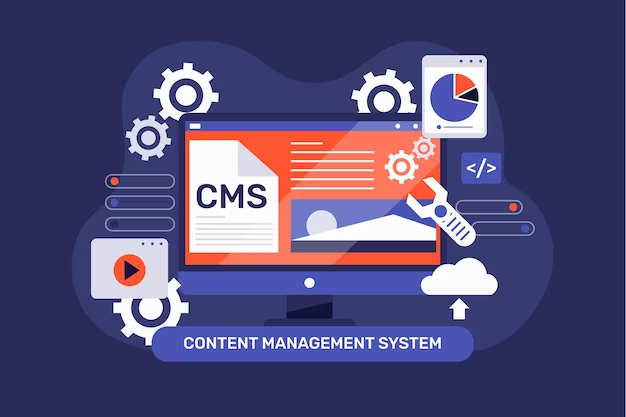
Content management system
What To Look For in a CMS You can expect any CMS you choose to have specific content management features, including a content editor, the ability to schedule posts and security features to help protect both your back-end operations and the front-end users. Consider the core functionality of a CMS(wordpress) along with available extensions and support like wikipedia , Google etc Usability The built-in functionality of a CMS is especially important for small business owners who don’t have development skills or don’t want to hire a developer to create a custom solution. Look for all-in-one solutions that include easy-to-use tools, automatic updates and backups and a dashboard and visual editor that are simple to use as CMS. Beyond the included features, consider the extensions or plugins available to extend the functionality of your CMS. Security All CMS systems have security features, but some require more attention from you or a manager to maintain. Frequent updates of core CMS systems are needed to keep them safe—can you stay on top of those updates yourself or can you set up automatic updates? Employing MFA can help keep your back-end operations safe, so look for CMS that offers authentication features that require users to log in with a password and code, for example. User group permissions are also important so you only give access to those who are authorized to view source code, for example. Customer Support Many CMS systems don’t have traditional customer support, as in live agents to answer questions and help troubleshoot issues. You’ll find that kind of support from platforms such as WordPress.com, but not for Drupal or Joomla, for example. However, most CMS systems have robust support documentation and active user communities. We Avoid a CMS that has a dead community because you’re unlikely to find the help you’d need. SEO Tools An SEO-friendly CMS should include features to make it easy for you to categorize content, run a blog and tag articles. You should be able to add a meta description, alt text on photos and customize your URLs and blog posts. Your menu navigation relates to SEO, as does mobile-responsiveness. Whether your site is responsive depends on your web developer or template. You may also want to have access to your sitemap and 301 redirects for dead pages, here we are to serve you.
Google Search’s core updates for website
Introduction to Latest Core Updates Several times a year, Google makes significant, broad changes to our search algorithms and systems. We refer to these as core updates, and we give notice when they happen on our list of Google Search ranking updates. Core updates are designed to ensure that overall, we’re delivering on our mission to present helpful and reliable results for searchers. This page explains more about how core updates work, and what you can do to assess and perhaps improve your content. How core updates work There’s nothing wrong with pages that may not be performing as well as they were before a core update. They haven’t violated our spam policies, nor been subjected to a manual or algorithmic action, as can happen to pages that do violate those policies. In fact, there’s nothing in a core update that targets specific pages or sites. Instead, the changes are about improving how our systems assess content overall. These changes may cause some pages that were previously under-rewarded to do better in search results. One way to think of how a core update operates is to imagine you made a list of the top 100 movies in 2021. A few years later in 2024, you refresh the list. It’s going to naturally change. Some new and wonderful movies that never existed before will now be candidates for inclusion. You might also reassess some films and realize they deserved a higher place on the list than they had before. The list will change, and films previously higher on the list that move down aren’t bad. There are simply more deserving films that are coming before them. Assessing your own content As explained, pages that experience a change after a core update don’t have anything wrong to fix. That said, we understand that those who may not be performing as well after a core update change may still feel they need to do something. We suggest focusing on ensuring you’re offering the best content you can. That’s what our algorithms seek to reward. To learn more about how to create content that’s successful, see our help page on how to create helpful, reliable people-first content. It has questions that you can ask yourself when assessing your own content Also consider an audit of the drops you may have experienced. What pages were most impacted and for what types of searches? Look closely at these to understand how these pages may perform against the self-assessment questions. For example, there may be other pages that are doing a better job of helping the searcher because they have first-hand knowledge on that topic. You might also have others you trust (that are unaffiliated with your site) provide an honest assessment. How long does it take to recover from a core update? Broad core updates tend to happen every few months. Content that was impacted in Search or Discover by one might not recover—assuming improvements have been made—until the next broad core update is released. However, we’re constantly making updates to our search algorithms, including smaller core updates. We don’t announce all of these because they’re generally not widely noticeable. Still, when released, they can cause content to recover if improvements warrant. Do keep in mind that improvements made by site owners aren’t a guarantee of recovery, nor do pages have any static or guaranteed position in our search results. If there’s more deserving content, that will continue to rank well with our systems.

The Importance of Web Design and Development in Business
[vc_row][vc_column width=”1/1″][vc_column_text] The Importance of Web Design and Development in Business Poor website design can lead to several challenges for businesses. These include low conversion rates, low engagement rates, and more. Many challenges come with poor web design. Poor web design can lead to a difficult to navigate and understand website. Poor web design can also lead to a website that is difficult to use, leading to a negative user experience. Poor web design can also hinder the business’s ability to reach its target audience or customers. You may not optimize the website for mobile devices and thus will not be as accessible as it could be. Poor web design affects the business’s overall success by limiting its ability to grow in both size and reputation. That’s why businesses need to invest more in web design and development for their business. [/vc_column_text][/vc_column][/vc_row][vc_row][vc_column width=”1/1″][us_image image=”4026″ size=”full”][vc_column_text] What is web design and development? Before we figure out the importance of proper web design and development, let’s first define them. Web design and development create websites and applications that are easy to use, visually appealing, and accessible to a wide range of devices. Web design is the visual aspect of a website or application. It includes everything from the layout, colors, graphics, and images to the site’s typography. Web developers are responsible for designing these aspects. A web developer will also create a site map for the website or application before it goes live. Here’s a helpful guide on how to find web developers for your business. Web development makes a site or application work in the first place. It includes programming scripts, server configuration, database management, and more. Web developers do not need to know about graphic design. Still, they need to understand how to create an intuitive user interface that is responsive across devices such as smartphones, tablets, and desktop computers. Another great alternative is Web flow development, which allows designers to construct websites visually without programming skills. Webflow produces a professional site in its own semantic code, but the developer can construct the site in a visual system. [/vc_column_text][/vc_column][/vc_row][vc_row][vc_column width=”1/1″][us_image image=”4028″ size=”full”][vc_column_text] 8 benefits of web design and development in your business Now that you know more about web design and web development for your business let’s discuss precisely the benefits that your business can get from investing more into better web design and development. 1.Sales growth Web design and web development are the keys to a good website. A well-designed website will provide your business with sales growth and improve sales. Whether you want to learn how to make a website on your own or hire a professional, keep this factor in mind. Web design is the process of developing a website, including its interface and how it looks visually. Web development is designing and coding a functional layout for your site, making sure it’s compatible with all browsers, mobile devices, and other devices that might access the site. A well-designed website will provide your business with sales growth and improve sales. You can do this by attracting more visitors to your site through good web design and web development practices like using effective headlines that entice people to click on them. 2.Competitive SEO The internet has become an integral part of the way we do business. It’s a public arena where we have to compete with the best of them. And web design and web development are among the most critical factors in your business’s success on the internet. The key to having a competitive SEO is a website that is up-to-date with all of the latest trends, easy to navigate, and looks great. But this isn’t as easy as it sounds. You need to consider many things when designing or developing your website, like how fast it loads, how much data it uses, whether or not it’s mobile-friendly, and if the content is relevant and engaging for your customers. Technical SEO which comes from web development and design, can help your website be more SEO-friendly. 3.User-friendly website According to S2S Web Technology web design agency, a user-friendly website can make the visitors to your website stay for a longer time. A website is the most critical marketing tool for any business that wants to succeed in today’s digital environment. It is the first thing potential customers see, and it will make or break their decision to buy from you. A user-friendly website should be simple, easy to navigate, aesthetically pleasing, and have a great user experience. 4.Well-maintained consistency Web design and web development are two different fields of expertise. One is about how your website looks, and the other is about how it functions. These two fields are inextricably linked because a website that performs poorly will not get much traffic. Also, a website that looks bad is not a website that many people will use often. Both web design and web development aim to make sure your business stays consistent across all platforms. 5.Generates long-term customer relationships Web design and development can help you generate long-term customer relationships because it provides a platform to connect with your customers. Without a good website, you will not be able to generate the long-term relationships with your customers that you want. The design and development of your website are what sets you apart from other businesses in your industry. No matter how great your product or service is, if customers can’t find it on your website, they will not convert into paying customers. 6.Accessibility to larger audiences The web is a place where people can find information. But sometimes, it can be hard to read on the screen, or the site may not have an easy-to-use interface. If you want your website to be accessible to more people, you might need to work with a web developer and a web designer. Web design and development help make websites more accessible for users with disabilities, such as blindness or low vision, deafness or hearing loss, learning disabilities, limited movement or dexterity problems (such as arthritis), speech disabilities, and combinations of

How is ERP Software beneficial for Academic Management
[vc_row][vc_column][vc_column_text] How is ERP Software beneficial for Academic Management What is Academic software? Academic ERP is a unified ERP package to automate educational campuses. It helps automate and manage the entire campus operations, administration and learning needs in a very effective way. It ensures better interaction between students, teachers, parents & institute management. [/vc_column_text][vc_column_text] Why ERP is important in education? With an ERP system, information sharing between teachers, students, administrators, and staff becomes much easier. This fills the communication gap between them, allows them to stay connected, and keeps them up-to-date on all important information about the institution. [/vc_column_text][us_image image=”3999″ align=”center”][vc_column_text] Role played by an ERP in Education Institutions? Facilitate the information flow within an educational institution. Track every institutional activity helping in bringing improvements in the current system, also facilitating the working of future plans. Improving and organizing the portfolio of teachers, students, and staff. Simplifying the process of student management. Maintaining good relationships with both parents and stakeholders. Organizing and streamlining every school communication. [/vc_column_text][us_image image=”3998″ align=”center”][vc_column_text]S2S Web Technologies, School Software is the one stop solution for any type of educational institutes to automate data management process. Whether you are looking for the best school ERP for school, college or coaching institute, the dedicated and experienced team at S2S Web Technology, ERP knows well how to stand on the expectations of their clients and therefore, develops a user-friendly and secure school ERP Software.[/vc_column_text][us_image image=”3997″ align=”center”][/vc_column][/vc_row]
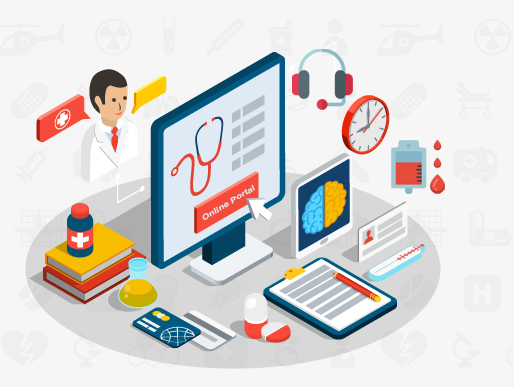
What is Hospital ERP Software ?
[vc_row][vc_column][vc_column_text] What is Hospital ERP ? Hospital ERP is an integrated end-to-end Hospital Management software that provides required information across the hospital. It effectively supports decision making for patient care and hospital administration in a seamless flow. This Hospital Management software is reliable and assures complete security of data. [/vc_column_text][us_image image=”3727″ align=”center”][vc_column_text] Hospital Management Software: The hospital management software helps to reduce paperwork by storing electronic medical records thereby automating and digitizing the hospital processes with streamlined workflows. It improves the quality of patient care as well as enhances customer satisfaction. [/vc_column_text][us_image image=”3786″ align=”center”][vc_column_text] Key Benefits of Hospital Management System Achieve good quality ratings. … Better revenue management. … Avoid errors and track every single detail. … Improved clinical decision-making. … Improve data security. … Establish your hospital as technically advanced. [/vc_column_text][us_image image=”3962″ align=”center”][vc_column_text] S2S Web Technology hospital management system is a complete healthcare ERP suit for small to large hospitals and healthcare service. The entire “S2S Web Technology” Hospital Software Suite is simple and easy to use. It is highly suitable for Super Specialty Hospitals, Multi-Specialty Hospitals, General Hospitals, etc. [/vc_column_text][/vc_column][/vc_row]
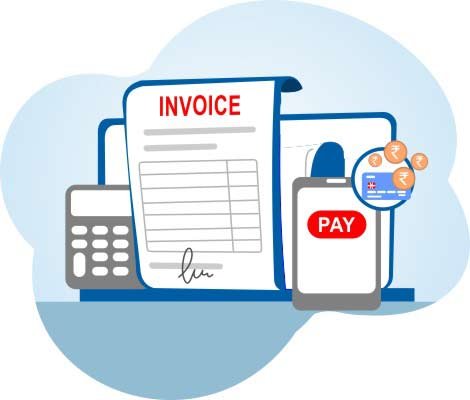
Why Your Business Needs Complete GST Billing Software?
[vc_row][vc_column][vc_column_text] Why Your Business Needs Complete Gst Billing Software? Business organizations are evaluating numerous GST software, and looking for the one that suits their needs. Here we provide you with a guide for finding the best GST billing software. We are at the edge of one of the most significant business transformations of our times viz Goods and Services Tax. So far, most of the big business groups have already researched and identified vendors for implementation of GST software. [/vc_column_text][us_image image=”3948″ align=”center”][vc_column_text] Why To Buy GST Software? GST has a great impact on small and medium-sized businesses. Now the customers are aware of the tax amount that they are paying to the government. This tax paying system provides so many benefits for both business owners and customers but there are few glitches in filing the taxes. A perfectly crafted GST compliance billing software will make everything easy for a small sized business.[/vc_column_text][us_image image=”3950″ align=”center”][vc_column_text] Key Features to Look Out For GST Software : 1. Security feature that will protect confidential business information which is robust in both tax filing and data security feature. 2. Invoicing, Accounting and GSTN validator. 3. User-Friendly interface with step by step process that allows navigating back and forth (excel-like interface). 4. Flexibility in integrating the existing systems with the new application (GST Software) and provide a seamless experience.[/vc_column_text][us_image image=”3949″ align=”center”][/vc_column][/vc_row]
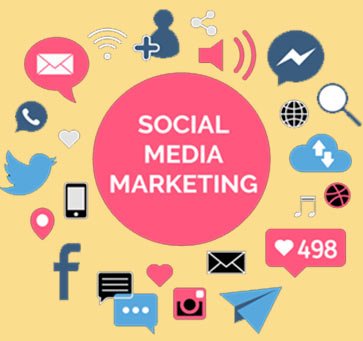
What is social media marketing?
[vc_row][vc_column][vc_column_text] What is Social Media? The term social media refers to a computer-based technology that facilitates the sharing of ideas, thoughts, and information through virtual networks and communities. Social media is internet-based and gives users quick electronic communication of content, such as personal information, documents, videos, and photos. Users engage with social media via a computer, tablet, or smartphone via web-based software or applications. There are more than 4.5 billion social media users around the world. [/vc_column_text][us_image image=”3938″ align=”center”][vc_column_text] Types of Social Media Platforms: Social media may take the form of a variety of tech-enabled activities. These activities include photo sharing, blogging, social gaming, social networks, video sharing, business networks, virtual worlds, reviews, and much more. Even governments and politicians utilize social media to engage with constituents and voters. For businesses, social media is an indispensable tool. Companies use the platform to find and engage with customers, drive sales through advertising and promotion, gauge consumer trends, and offer customer service or support. Social media’s role in helping businesses is significant. It facilitates communication with customers, enabling the melding of social interactions on E-Commerce sites.[/vc_column_text][us_image image=”3937″ align=”center”][vc_column_text] Examples of Social Media: Facebook (2.74 billion users) YouTube (2.29 billion users) WhatsApp (2 billion users) Instagram (1.22 billion users)….. and etc… Social media marketing is the use of social networks in order to market a company’s products, such as through Facebook or Instagram ads, using influencers, or otherwise building a presence online to engage with customers.[/vc_column_text][/vc_column][/vc_row]
Benefits of Facebook for businesses
[vc_row][vc_column][vc_column_text] Facebook is the largest and most-used social media network Facebook is the largest and most recognized social media network worldwide, making it an excellent entry point for businesses looking to develop their social media strategy. Of all the social networks, Facebook exposes your business to the broadest audience and offers the most comprehensive set of business tools. Facebook’s business tools help you build your online brand, create meaningful connections with customers and potential employees, and increase overall productivity. Small business owners who want to generate brand awareness and create meaningful connections through Facebook. [/vc_column_text][us_image image=”3931″ size=”full” align=”center”][vc_column_text] Facebook advantages for business A Facebook page serves as cost-effective exposure for your brand. … It’s a direct way to connect with current and potential customers. … You can reach your target audience simply and efficiently. … It allows you to have a mobile-optimized experience. [/vc_column_text][us_image image=”3929″ size=”full” align=”center”][vc_column_text] Why Facebook is valuable to businesses? Facebook is a social media networking site that allows users to connect with friends, family, co-workers and others, including groups of people who share similar interests. Users can share pictures, videos, articles and opinions with their friends. To get the most benefit from Facebook, business owners should understand how it differs from other social networks. When social media networks were first launched, they focused on individual expression. However, Facebook prioritized relationship-building to foster an interconnected online community.[/vc_column_text][/vc_column][/vc_row]